Introduction: Why Mirrorless Cameras Are Taking Over the World of Photography and Videography
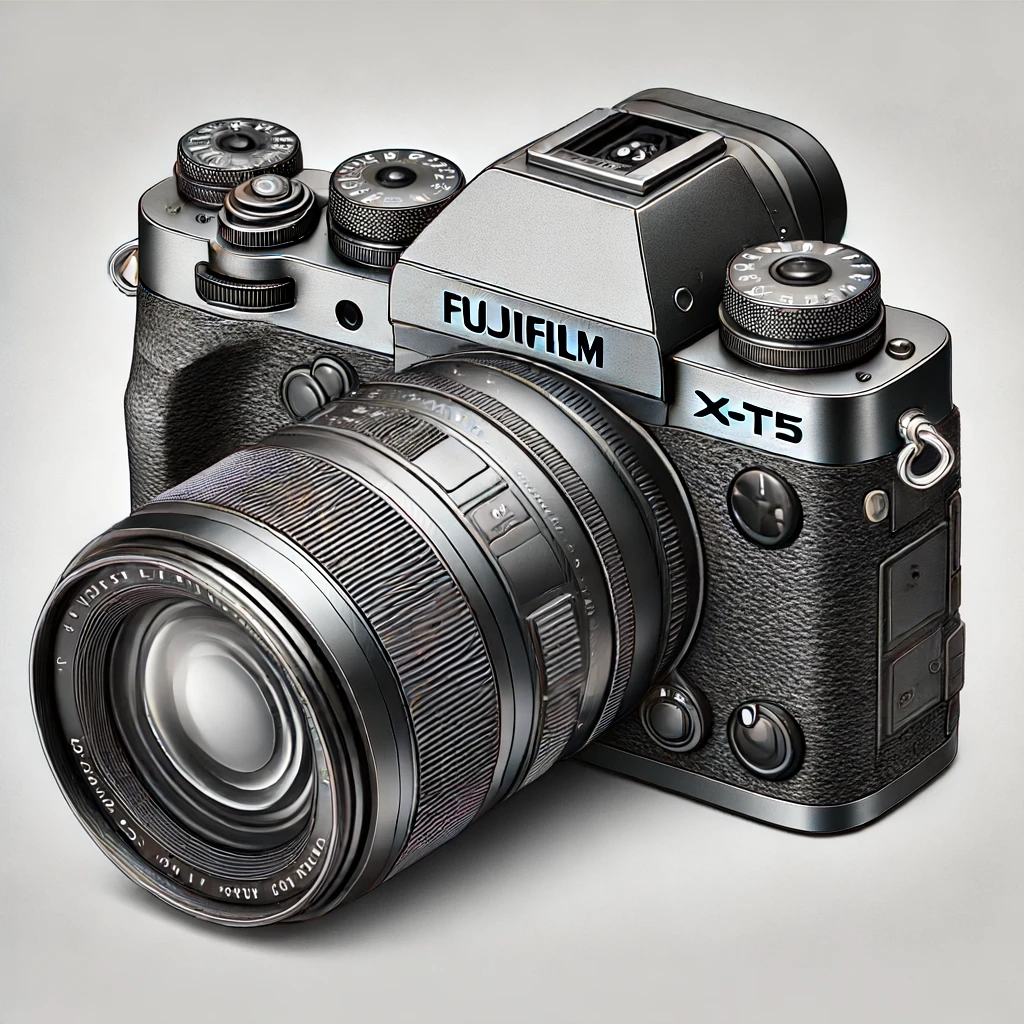
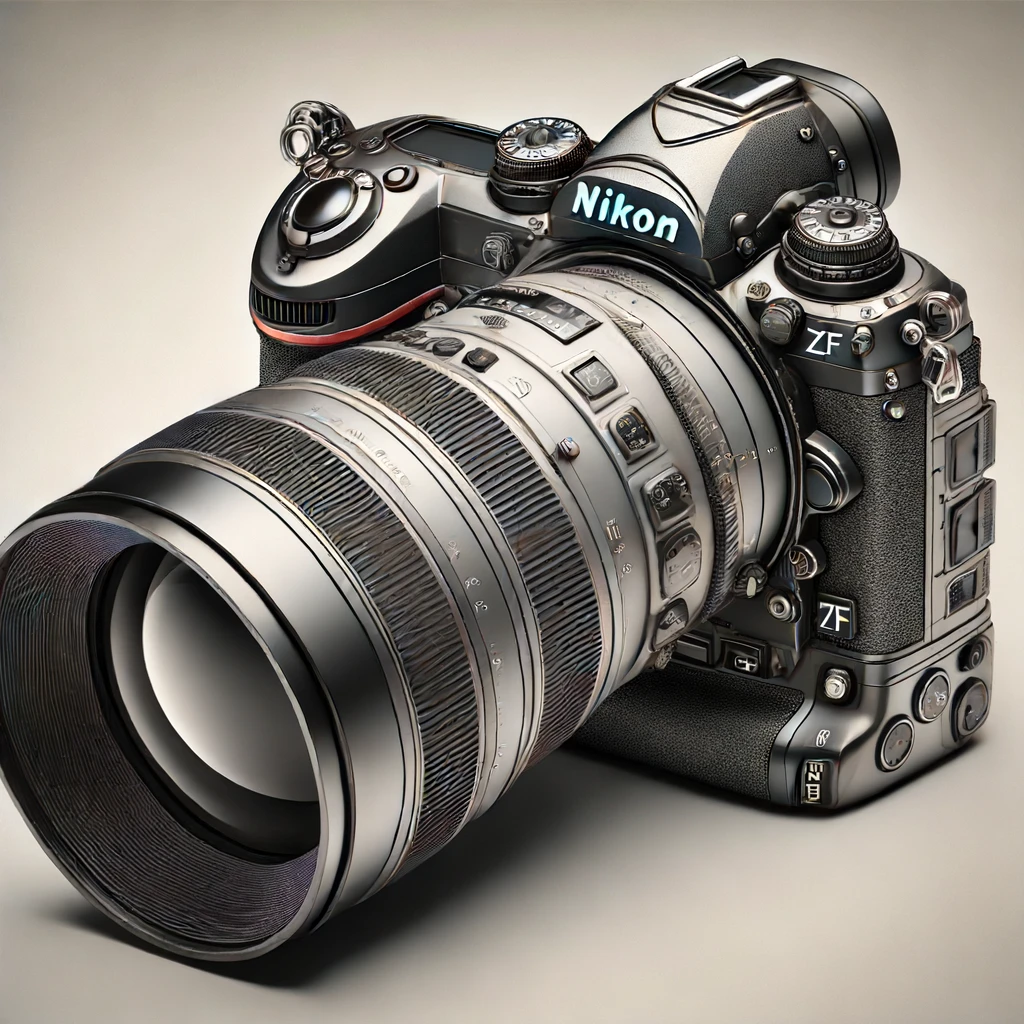
Mirrorless cameras have rapidly become the go-to choice for both amateur and professional photographers. These versatile devices have redefined the photography landscape, offering unparalleled image quality, advanced features, and exceptional portability. Unlike their DSLR counterparts, mirrorless cameras eliminate the mirror mechanism, leading to a more compact design without sacrificing performance. In this comprehensive review, we’ll explore the world of mirrorless cameras, delve into their innovative technologies, and explain why they are the preferred choice for capturing stunning photos and videos.
From DSLRs to Mirrorless: A Brief History
The journey from DSLRs to mirrorless cameras marks a significant evolution in camera technology. Traditional DSLRs, or Digital Single-Lens Reflex cameras, rely on a mirror system to reflect light into the optical viewfinder. When the shutter button is pressed, the mirror flips up, allowing light to hit the image sensor and capture the photograph. This mechanism, while effective, adds bulk and complexity to the camera’s design.
 In contrast, mirrorless cameras, as the name suggests, do away with this mirror mechanism, allowing light to pass directly onto the image sensor. This innovation has led to lighter, more compact cameras without compromising on image quality. The absence of the mirror system also results in quieter operation and faster shooting speeds due to fewer moving parts. Additionally, mirrorless cameras offer electronic viewfinders (EVFs) that provide real-time previews of exposure, color balance, and other settings, enhancing the shooting experience.
The first successful mirrorless camera, the Panasonic Lumix DMC-G1, was introduced in 2008, marking the beginning of a new era. Since then, the technology has rapidly advanced, with manufacturers like Sony, Canon, Nikon, and Fujifilm entering the market with their own mirrorless models. These cameras have gained popularity among both amateur and professional photographers for their versatility, advanced features, and superior image quality.
As technology continues to evolve, the gap between DSLRs and mirrorless cameras narrows, with many photographers making the switch to mirrorless systems for their lightweight design and cutting-edge capabilities. The future of photography is undoubtedly being shaped by these innovative mirrorless cameras, pushing the boundaries of what is possible in the world of imaging.
Key Milestones in Mirrorless Camera Development
- 2008: Panasonic introduced the Lumix G1, the world’s first mirrorless camera, which featured a Micro Four Thirds sensor.
- 2010: Sony launched the NEX series, pioneering the APS-C sensor in mirrorless cameras.
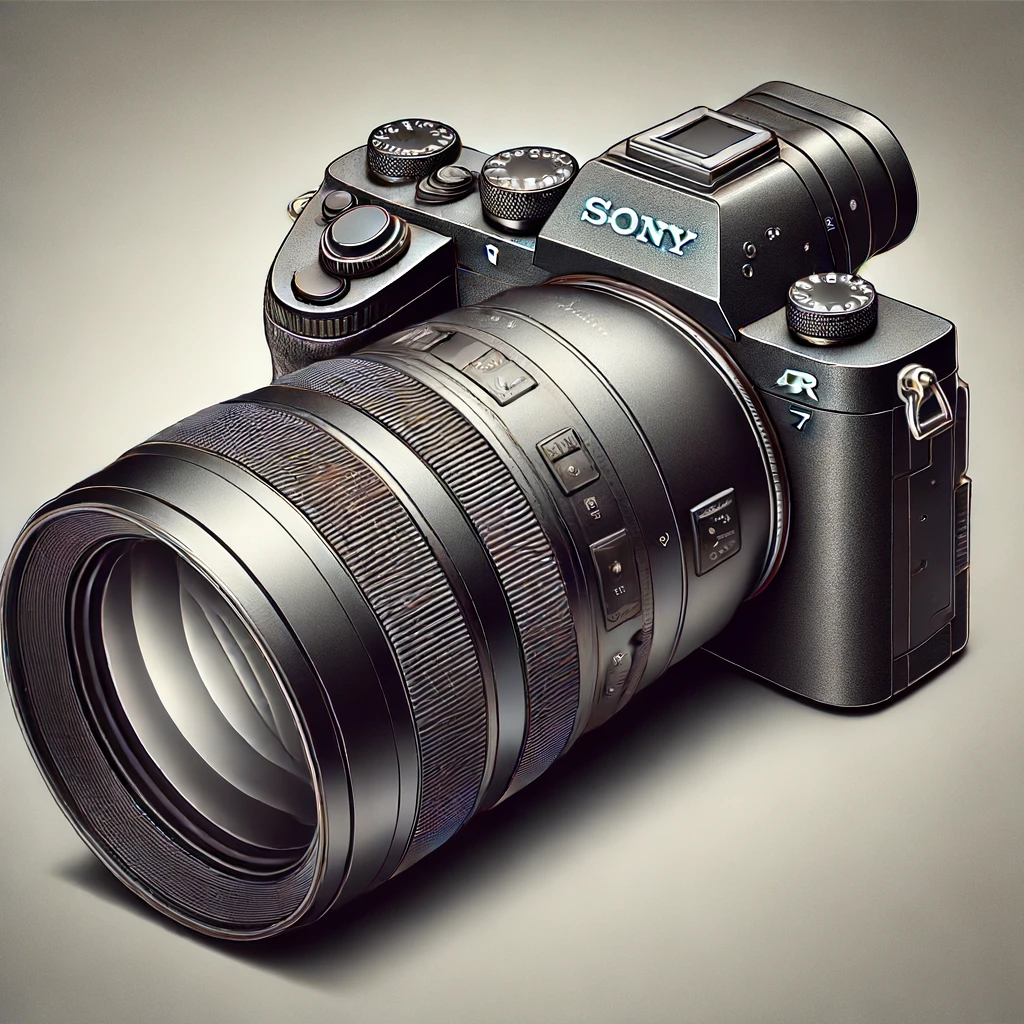
- 2013: Sony again revolutionized the market with the full-frame Sony A7 series, offering professional-grade image quality in a compact form.
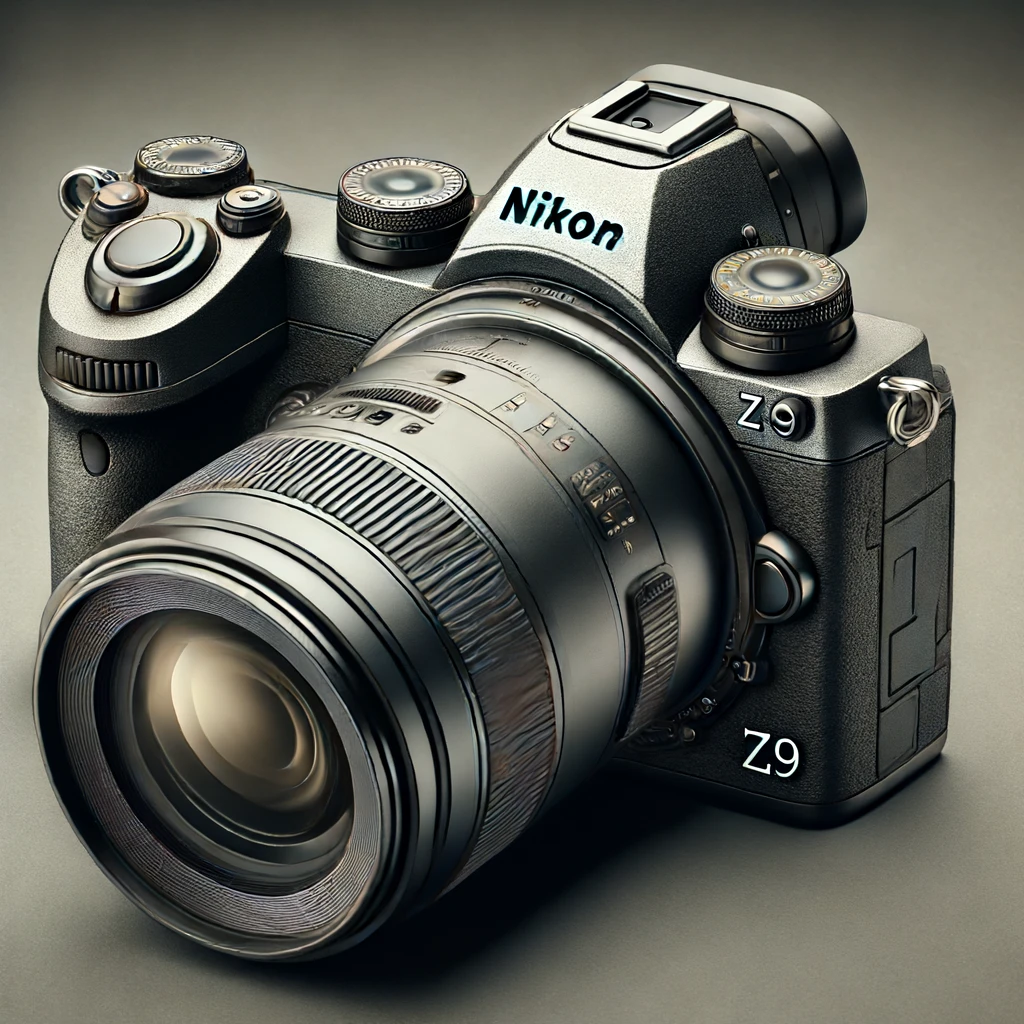
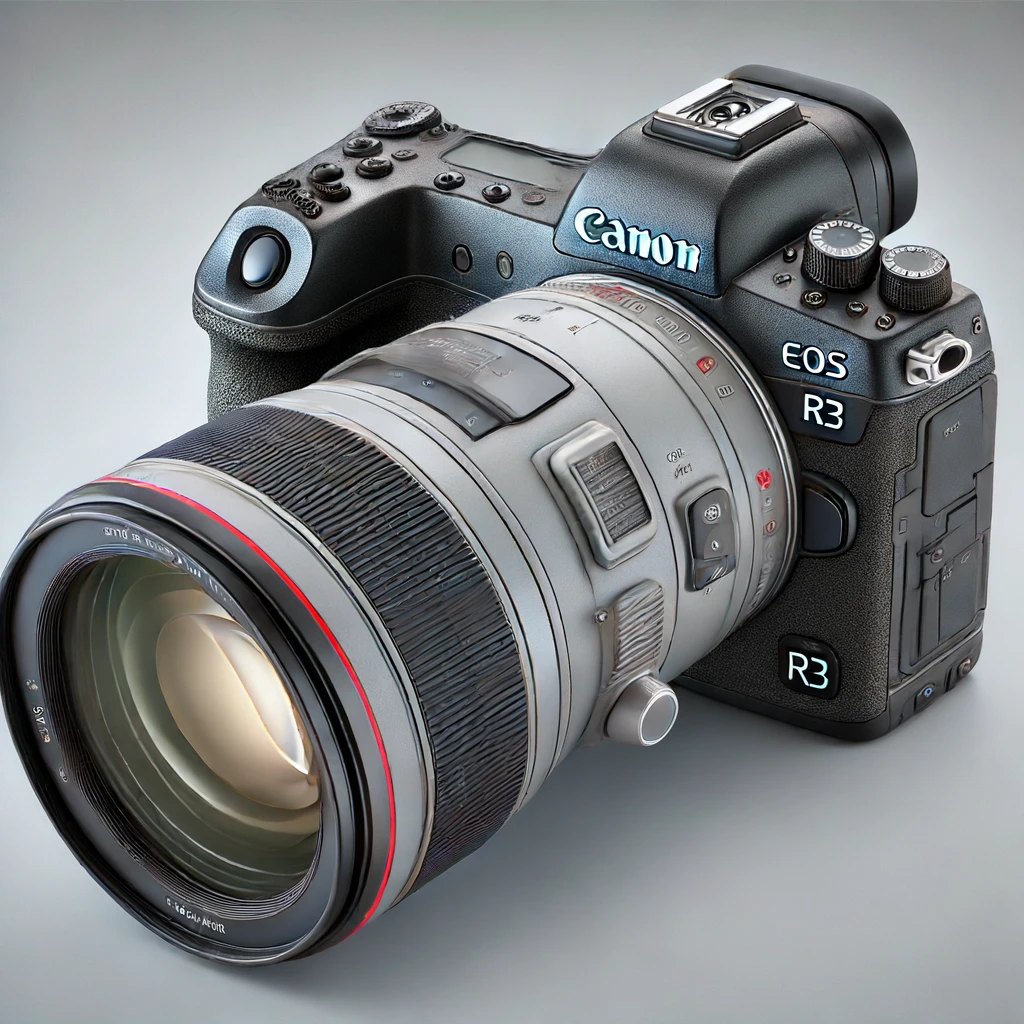
- 2018: Nikon and Canon entered the mirrorless market with their Z series and EOS R series, respectively, solidifying the mirrorless camera’s place in the professional world.
 Superior Image Quality and Sensor Size
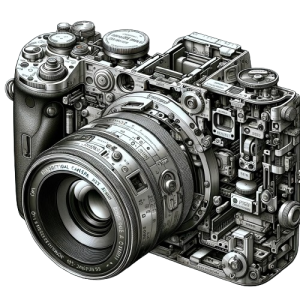
Mirrorless cameras have revolutionized the photography world with their compact design and cutting-edge features. Unlike traditional DSLRs, mirrorless cameras lack a reflex mirror, making them lighter and more portable. They offer interchangeable lenses, providing versatility for various photography styles. The absence of a mirror allows for a shorter focal flange distance, enabling the use of a wide array of lenses with appropriate adapters. Key features include advanced autofocus systems, high-speed continuous shooting, and exceptional image quality due to larger sensors compared to compact cameras. Many models boast electronic viewfinders, silent shutters, and touchscreen LCDs, enhancing the user experience. Furthermore, mirrorless cameras often come with in-body image stabilization (IBIS) and fast focus tracking, making them suitable for both still photography and video recording. These attributes make mirrorless cameras a favorite among photographers who demand high-quality images without the bulk of a DSLR.
The image sensor is the heart of any camera, and in mirrorless cameras, it’s where the magic happens. Mirrorless cameras typically feature larger sensors, such as APS-C or full-frame, which provide superior image quality, better low-light performance, and greater dynamic range. Here’s a closer look at the types of sensors commonly found in mirrorless cameras:
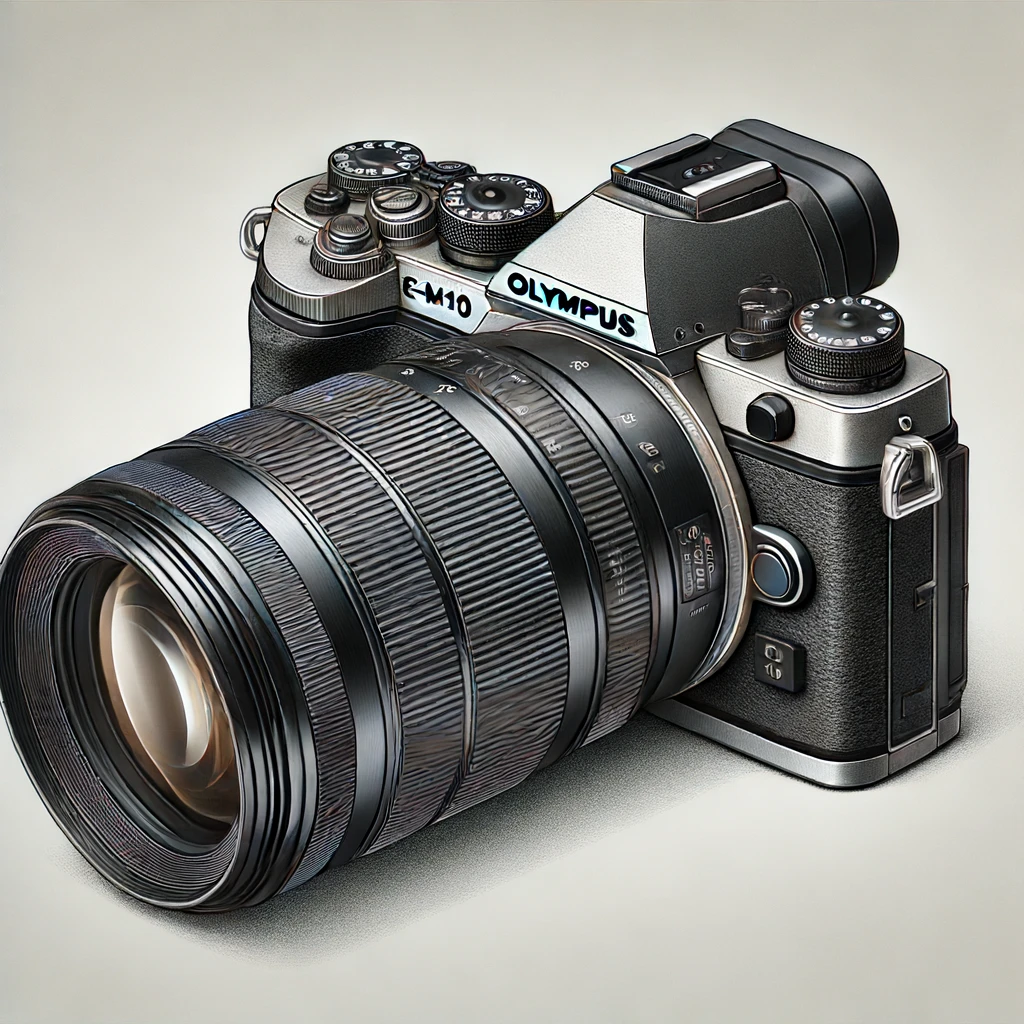
 Micro Four Thirds (MFT): These sensors are smaller than APS-C but offer a good balance between size and image quality, making them ideal for travel and street photography. MFT sensors allow for more compact camera bodies and lenses, without a significant sacrifice in image quality. This sensor type is commonly used by brands like Olympus and Panasonic.
APS-C: Larger than MFT sensors, APS-C sensors provide excellent image quality and are commonly found in mid-range mirrorless cameras. They offer a good balance between camera size, image quality, and depth of field control. APS-C sensors are widely used by brands such as Sony, Fujifilm, and Canon. These sensors are particularly popular for their versatility and performance across a wide range of photographic genres.
Full-Frame: These sensors are the same size as a 35mm film frame, delivering exceptional image quality, dynamic range, and low-light performance, making them a favorite among professional photographers and videographers. Full-frame sensors provide a wider field of view and better depth of field control, allowing for stunningly detailed and vibrant images. They are commonly found in high-end mirrorless cameras from brands like Sony, Canon, and Nikon. For more detailed information, you can explore the Wikipedia page on Image Sensor Format.
Autofocus Systems: Speed and Precision
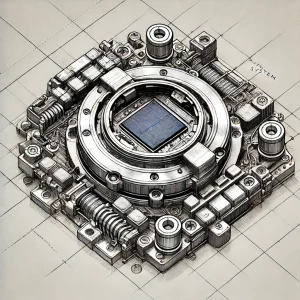
Mirrorless cameras boast advanced autofocus (AF) systems that combine speed and precision, crucial for capturing sharp images in various conditions. Unlike DSLRs, which rely on separate phase-detection sensors, mirrorless cameras use on-sensor phase-detection and contrast-detection methods. This integration results in faster and more accurate focusing, even in challenging lighting scenarios.
Hybrid Autofocus: The most sophisticated mirrorless cameras use hybrid autofocus systems that combine both phase-detection and contrast-detection methods. Phase-detection AF provides rapid focus acquisition by measuring the convergence of light rays, while contrast-detection AF fine-tunes the focus for maximum sharpness. This dual approach ensures quick and precise focusing across different lighting conditions and subject types.
Eye-Detection and Face-Detection AF: Eye-detection and face-detection AF technologies further enhance portrait photography by
 ensuring the subject’s eyes are always in sharp focus. This feature is particularly valuable for capturing expressive portraits and ensuring critical focus on the eyes, which are often the focal point in a portrait. Some advanced systems can even track the eyes of animals, making them ideal for wildlife photography.
Real-Time Tracking: Many mirrorless cameras now offer real-time tracking, which continuously follows moving subjects across the frame. This technology is essential for sports, wildlife, and action photography, where subjects are constantly in motion. Real-time tracking ensures that the subject remains in focus, even when moving unpredictably.
Wide Autofocus Coverage: Mirrorless cameras typically feature a broader autofocus coverage across the frame compared to DSLRs. This extensive AF point distribution allows for greater flexibility in composing shots and ensures that subjects are accurately focused, even when positioned near the edges of the frame.
Low-Light Autofocus Performance: Modern mirrorless cameras excel in low-light autofocus performance, thanks to their on-sensor AF systems. These systems are highly sensitive to low light, enabling accurate focusing in dim conditions where DSLRs might struggle. This capability is particularly beneficial for night photography, indoor events, and other low-light scenarios.
Customizable AF Settings: Mirrorless cameras offer a range of customizable AF settings to suit different shooting styles and subjects. Photographers can adjust AF tracking sensitivity, select specific focus points, and set focus zones to tailor the autofocus performance to their needs. This level of customization ensures optimal focus accuracy and speed for various photographic genres.
Silent Shooting Modes: The absence of a mirror mechanism in mirrorless cameras allows for silent shooting modes, which are invaluable in situations where noise can be disruptive, such as during weddings, theater performances, or wildlife photography. Silent shooting, combined with fast and accurate autofocus, makes mirrorless cameras a discreet and effective choice for capturing candid moments.
Mirrorless cameras’ advanced autofocus systems represent a significant leap forward in photography technology, offering unparalleled speed, precision, and versatility. Whether shooting fast-paced action, intricate portraits, or low-light scenes, these AF systems ensure that photographers can achieve consistently sharp and well-focused images.
Discover more about electronic viewfinders on Wikipedia.
 Electronic Viewfinders (EVFs): Real-Time Previews
One of the defining features of mirrorless cameras is the electronic viewfinder (EVF). Unlike optical viewfinders in DSLRs, EVFs provide a real-time digital display of the scene, reflecting exposure, white balance, and other settings. This allows photographers to make immediate adjustments and see the final image before pressing the shutter button. The high-resolution EVFs in modern mirrorless cameras offer a clear and detailed view, making composition and exposure adjustments more intuitive.
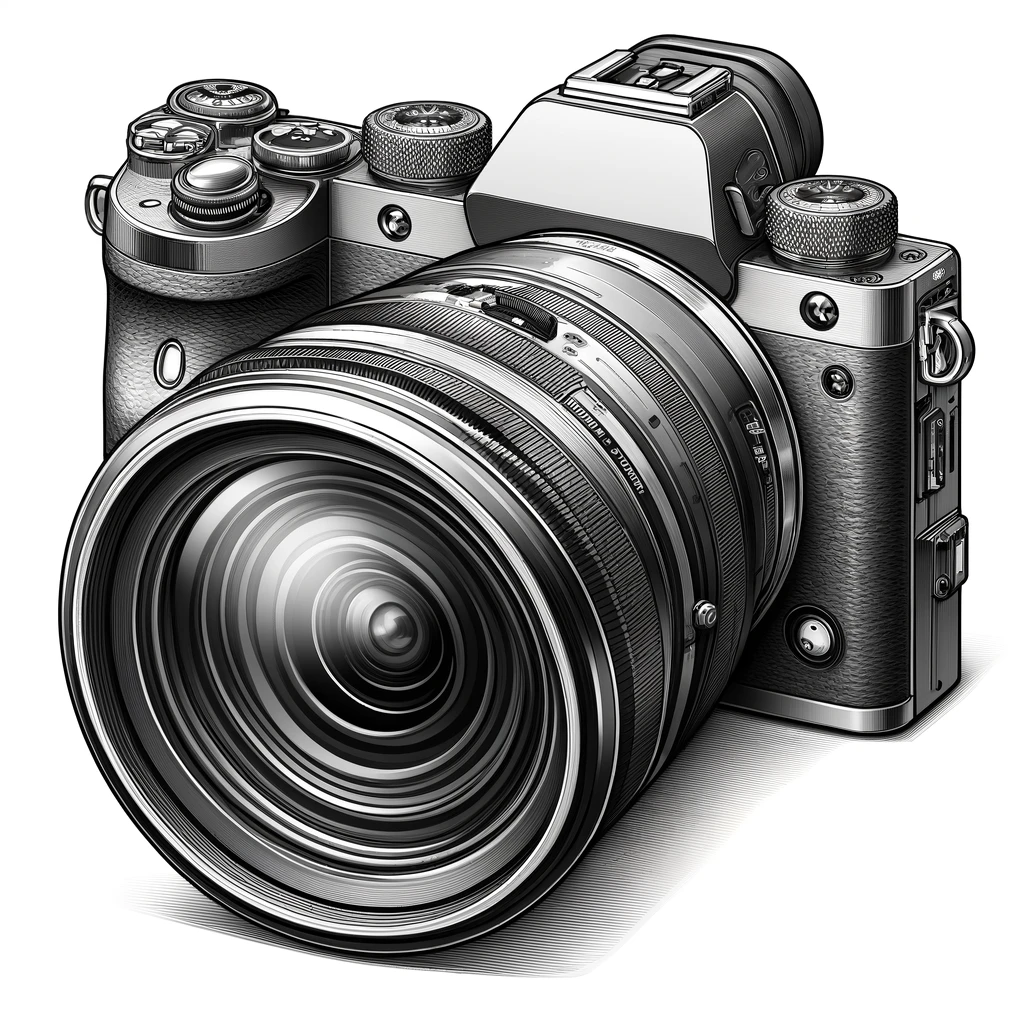 Mirrorless cameras have rapidly become the preferred choice for both photography and videography due to their advanced technology and versatile features. One of the primary advantages is their compact and lightweight design, which makes them easier to carry and handle compared to traditional DSLR cameras. This portability does not come at the expense of performance, as mirrorless cameras are equipped with large sensors that provide excellent image quality and low-light performance, rivaling or even surpassing that of many DSLRs.